
Creating an Effective Cleaning Routine for Your Home
- AlimpiezaL.L.C

- Dec 22, 2025
- 3 min read
Updated: Jan 5
Why a Routine Cleaning Setup Matters
A routine cleaning setup saves time and effort. When cleaning becomes a habit, it feels less like a chore. You avoid the stress of last-minute deep cleans. Regular maintenance keeps your home healthier by reducing dust, allergens, and germs.
A good routine also helps prioritize tasks. You can focus on high-traffic areas daily and less-used spaces weekly or monthly. This balance prevents burnout and keeps your home consistently tidy.
How to Build Your Routine Cleaning Setup
Start by listing all cleaning tasks in your home. Break them down by frequency:
Daily tasks: Washing dishes, wiping counters, tidying clutter
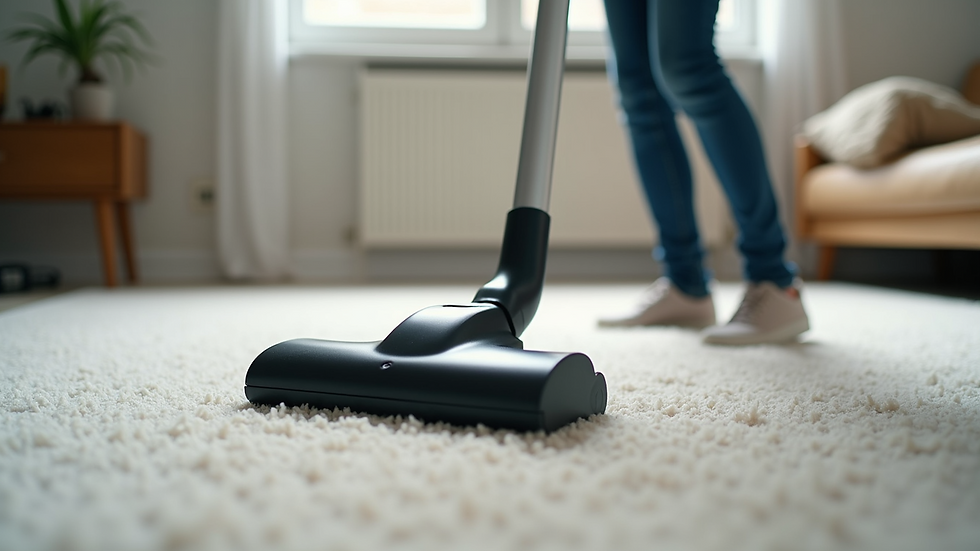
Weekly tasks: Vacuuming, mopping floors, cleaning bathrooms
Monthly tasks: Dusting vents, washing windows, deep cleaning appliances
Next, assign specific days and times for each task. For example, vacuum on Mondays and clean bathrooms on Wednesdays. Use a calendar or planner to track your schedule.
Keep cleaning supplies accessible. Store them in a central location or near the rooms you clean most often. This reduces the time spent gathering tools.
Finally, adjust your routine as needed. If a task feels too frequent or too rare, change it. The goal is a sustainable setup that fits your needs.

What is a Normal Cleaning Schedule?
A normal cleaning schedule balances daily upkeep with periodic deep cleans. Most people clean high-use areas daily or every other day. These include kitchens, bathrooms, and living rooms.
Weekly tasks often cover floors, dusting, and laundry. Monthly chores include cleaning behind appliances, washing windows, and checking smoke detectors.
This schedule prevents dirt buildup and keeps your home fresh. It also spreads out work evenly, so no single day feels overwhelming.
Tips for Sticking to Your Cleaning Routine
Consistency is key. Set reminders on your phone or use a cleaning app to stay on track. Pair cleaning with another habit, like listening to music or a podcast, to make it more enjoyable.
Break tasks into small steps. Instead of cleaning the entire kitchen at once, focus on one area at a time. This approach reduces fatigue and increases motivation.
Involve family members or housemates. Assign tasks based on ability and availability. Sharing the workload speeds up cleaning and builds teamwork.
Keep a checklist visible. Marking completed tasks provides a sense of accomplishment and helps track progress.
Benefits of a Regular Cleaning Schedule
Following a regular cleaning schedule improves home hygiene and appearance. It reduces allergens and prevents pest infestations. A clean home also supports mental clarity and relaxation.
For homeowners, a consistent cleaning routine protects your investment. Regular maintenance prevents damage and extends the life of surfaces and appliances.
Using a professional cleaning service occasionally can complement your routine. They handle deep cleans and hard-to-reach areas, ensuring your home stays spotless.
Making Your Routine Cleaning Setup Work Long Term
To maintain your routine, review it monthly. Note what works and what doesn’t. Adjust task frequency or timing to fit changes in your schedule or household needs.
Celebrate small wins. Recognize when you complete a week or month of consistent cleaning. This positive reinforcement encourages ongoing commitment.
Keep your cleaning tools in good condition. Replace worn-out sponges, mop heads, and vacuum filters regularly. Efficient tools make cleaning faster and more effective.
Finally, stay flexible. Life changes, and so will your cleaning needs. Adapt your routine to stay practical and manageable.
Conclusion
Setting up a routine cleaning setup is a practical way to keep your home clean and organized. With clear planning and consistent effort, you can maintain a healthy and pleasant living space. By following these steps, you will find that cleaning becomes less of a burden and more of a regular part of your life.


Comments